If you want to convert PST to PDF files, you have three reliable options. First one is to use, Outlook’s Microsoft Print to PDF option to convert single email, second one is to use Adobe Acrobat PDFMaker which is available for Classic Outlook only to save email attachments, or a professional PST to PDF converter for exporting multiple PST files without Outlook.
In this detailed guide, you will learn:
- Convert PST to PDF Manually using Microsoft Print to PDF.
- Export PST to PDF with Attachments using Adobe Acrobat (Classic Outlook)
- Convert PST to PDF Without Outlook – Professional Converter
- The advantages and disadvantages of each approach.
- Which is the best way as per different circumstances.
By the end of this guide, you will be able to select the method that best suits your needs. So, no matter if you are looking for a few emails or want to convert entire PST files, this blog will be helpful for you in different circumstances.
What is a PST File?
A PST (Personal Storage Table) file is a proprietary data file format that Microsoft uses to store Outlook mailbox data locally on a computer. It is a personal storage file for Outlook and can store emails, attachments, contacts, calendars, notes, journals and tasks in a single file.
PST files are used by many organizations and individual users to backup old mails, free up space in the mailbox, migrate Outlook data, or keep important information accessible offline.
Depending on Outlook configuration, a PST file may contain:
- E-mails and conversations
- Attachment Files
- Contact details
- Calendar events & appointments
- Tasks
- Journals and Notes
- Mail folder hierarchy and folder structure
- Email metadata like sender, recipient, subject, timestamps, CC/BCC, and read/unread status
Due to these details in a PST file it becomes large over time as all these information stored in a single PST file. It is common in business environments where years of email communication are archived.
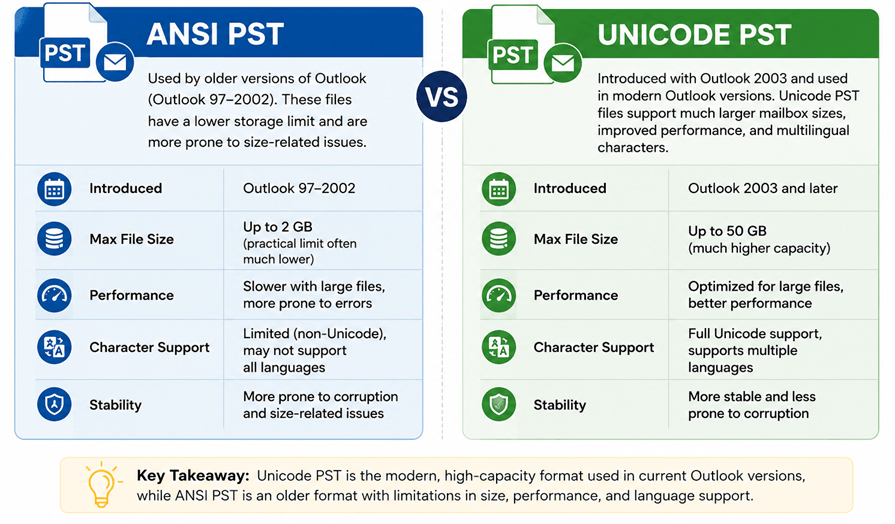
ANSI vs. Unicode PST Files
Why Do Users Convert PST File to PDF?
Outlook uses PST files but PDF files can be opened on Windows, Mac, phones and web browsers and are platform independent. Convert PST to PDF allows users to:
- Archive important emails for long term storage.
- Share Outlook emails without needing Outlook.
- Keep email formatting and metadata.
- Print out copies of important conversations.
- Send required emails for legal proceedings, audits or compliance requirements.
- Secure documents from unauthorised access, as PDF files can be locked with passwords.
These are the reasons why PDF is one of the most accepted formats for storing and sharing Outlook email data.
Method 1. Convert PST to PDF Manually Using Microsoft Print to PDF (Free)
Microsoft Print to PDF is the most straightforward and absolutely free way to convert a handful of Outlook emails to PDF format. This is a built-in Windows feature that lets you print an email as a PDF without any downloads.
But it is limited to single emails and does not embed file attachments in the exported PDF. If you want to keep attachments or convert a whole PST mailbox, you will need to use either Adobe Acrobat (Classic Outlook) or a professional PST to PDF converter.
Steps to Convert PST Emails to PDF Using Microsoft Print to PDF
1. Launch the Outlook application on your system.
2. Import PST file into Outlook using the import-export feature.
3. Select PST emails that you want to export into PDF.

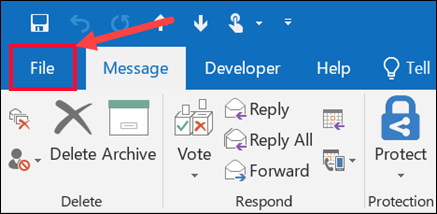
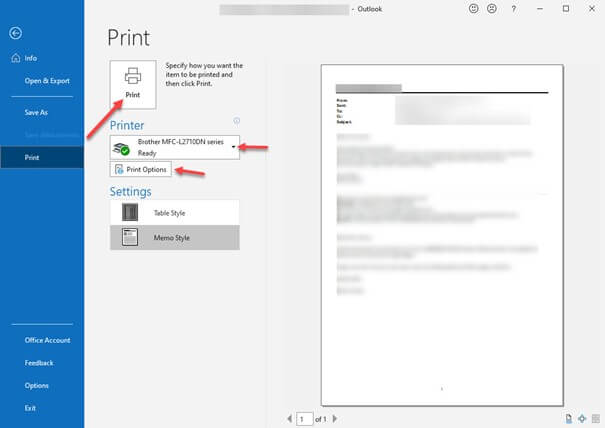
4. Go to the File tab and click on Print.
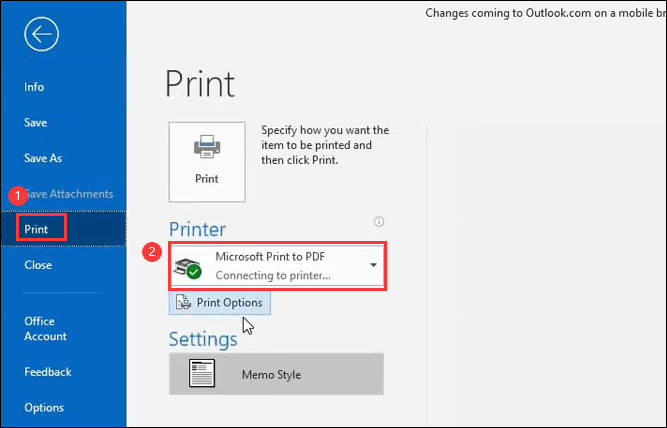
5. Choose Printer and select the Microsoft Print to PDF option.
6. Click on the Print button.
7. Select the destination location and give the name of the file.
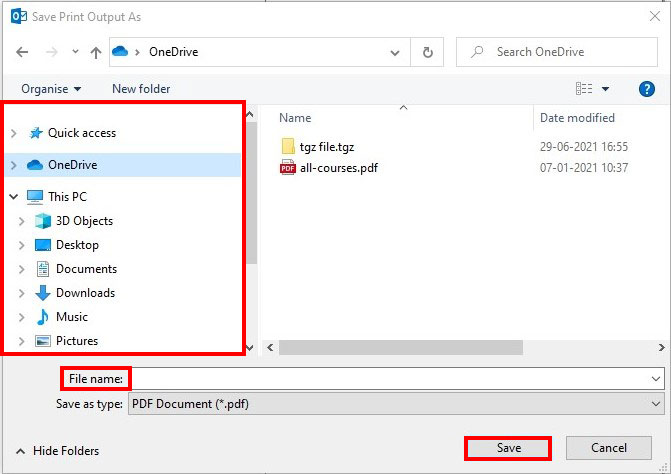
8. Click on the Save button to start the conversion process.
Hence, you can convert PST to PDF files using Outlook. With this approach, you can not export email attachments.
Method 2. Export PST Emails to PDF With Attachments Using Adobe Acrobat (Classic Outlook)
So, if you want to convert PST emails to PDF and keep attachments, Adobe Acrobat’s PDFMaker add-in is more powerful than Microsoft Print to PDF. It can create PDF files with the original email content and its attachments which is not available in the previous method.
Note: This is for users who already have Adobe Acrobat Pro installed and are using Classic Outlook for Windows.
This option is only supported in Classic Outlook for Windows. It isn’t available in the new Outlook for Windows, which doesn’t support traditional COM add-ins. If you are using new outlook or don’t have an Adobe Acrobat then you can opt for a professional solution.
- First, you need to open the PST file you want in the Classic Outlook.
- So, navigate to File >> Open & Export.
- Choose Open Outlook Data File.
- Locate your PST file and open it.
- The mailbox will show up in the navigation pane in Outlook.
- Go to the folder where the emails are located.
- Select single email or multiple emails, folder as per your choice.
- In Classic Outlook, click the Adobe PDF tab on the ribbon;
- If the tab is not there, ake sure that Adobe Acrobat Pro is installed & PDFMaker Office COM Add-in is enabled.
- Before creating the PDF file, open conversion settings and find the attachment option and enable include all attachments option.
- Click Create PDF and choose save location and file name.
- Open the generated PDF and verify that it contains your email data with attachments.
Method 3. Bulk Convert PST Files into PDF with Attachments Using the Professional Tool
Get tired of trying manual methods? Now, give it a try with Xtraxtor PST Converter. This tool helps when manual steps are slow or not possible. If you don’t have Outlook, have too many emails, need PDFs with attachments, or want to keep your folder structure, this tool makes the job easy.
You only need to add your PST file, choose PDF, and start the process. The software quickly scans the file and converts all emails, along with attachments and folders, into PDF at once. It also works with large PST files and doesn’t require Outlook.
In simple words, the tool gives you a fast, safe, and complete way to convert PST to PDF when the manual method can’t handle your needs.
Try out its demo version that will convert 10 emails from each folder. Download it and analyse its working.

Steps to Convert PST to PDF File Format
Step 1. Run Xtraxtor software on your system.
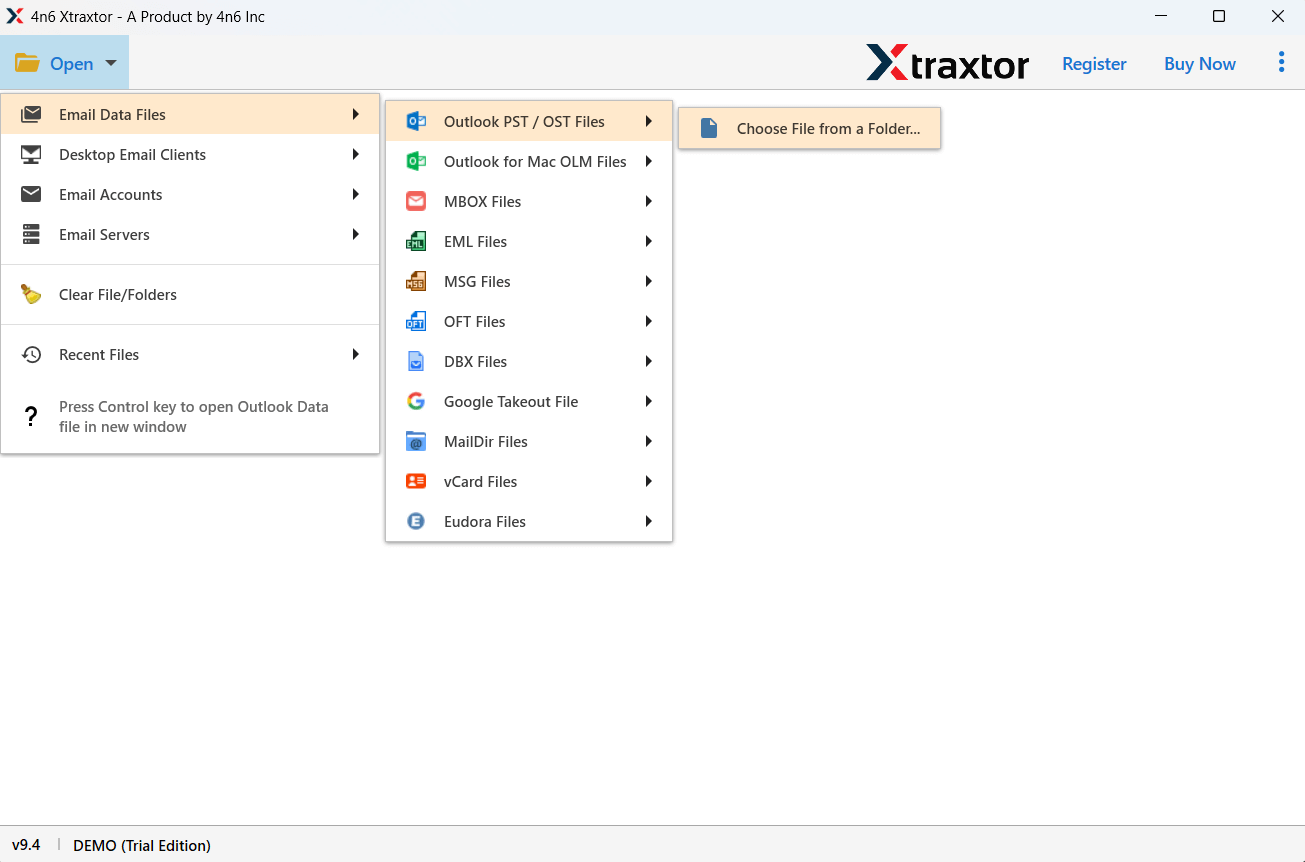
Step 2. Navigate to Open >> Email Data Files >> Outlook PST Files >> Choose Files or Folder.
Step 3. Here, you can view PST emails before conversion.
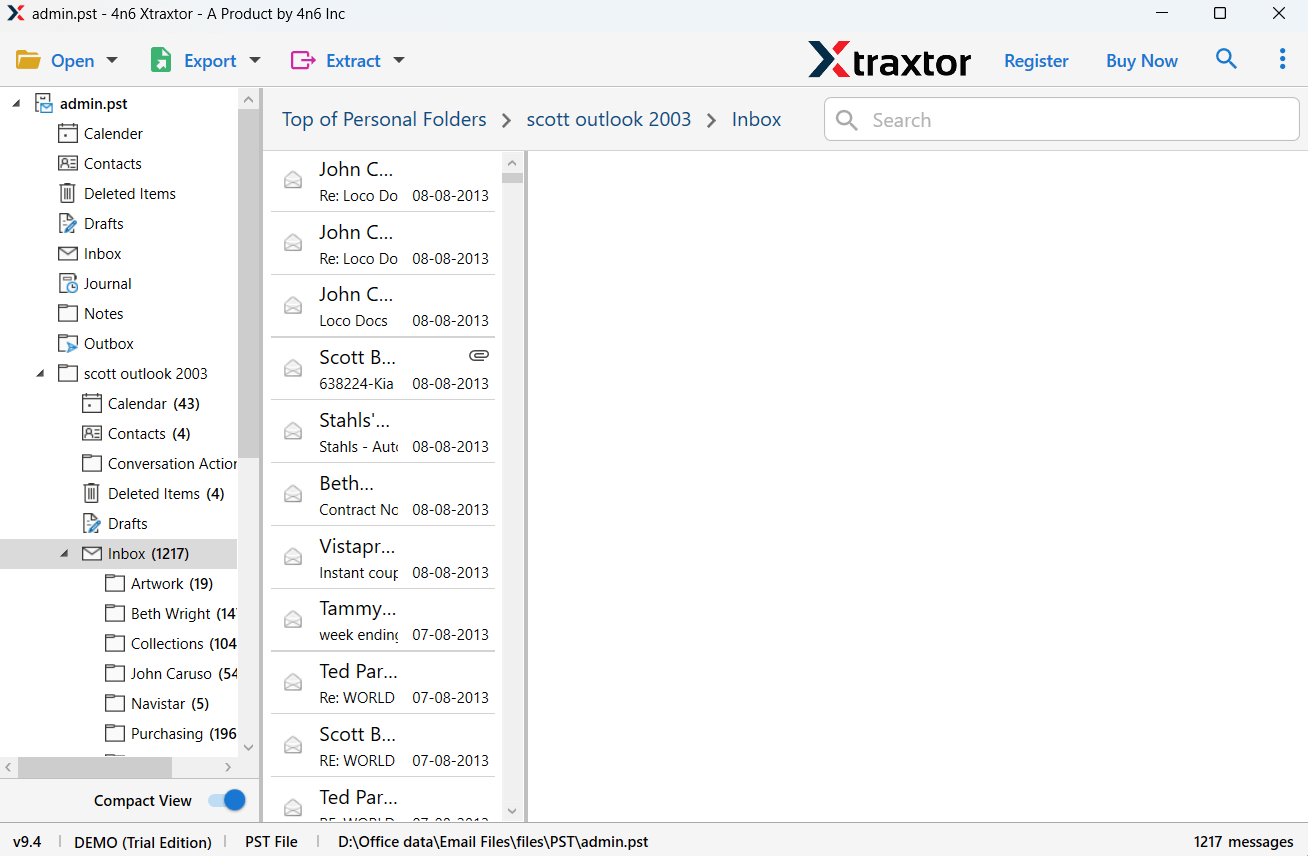
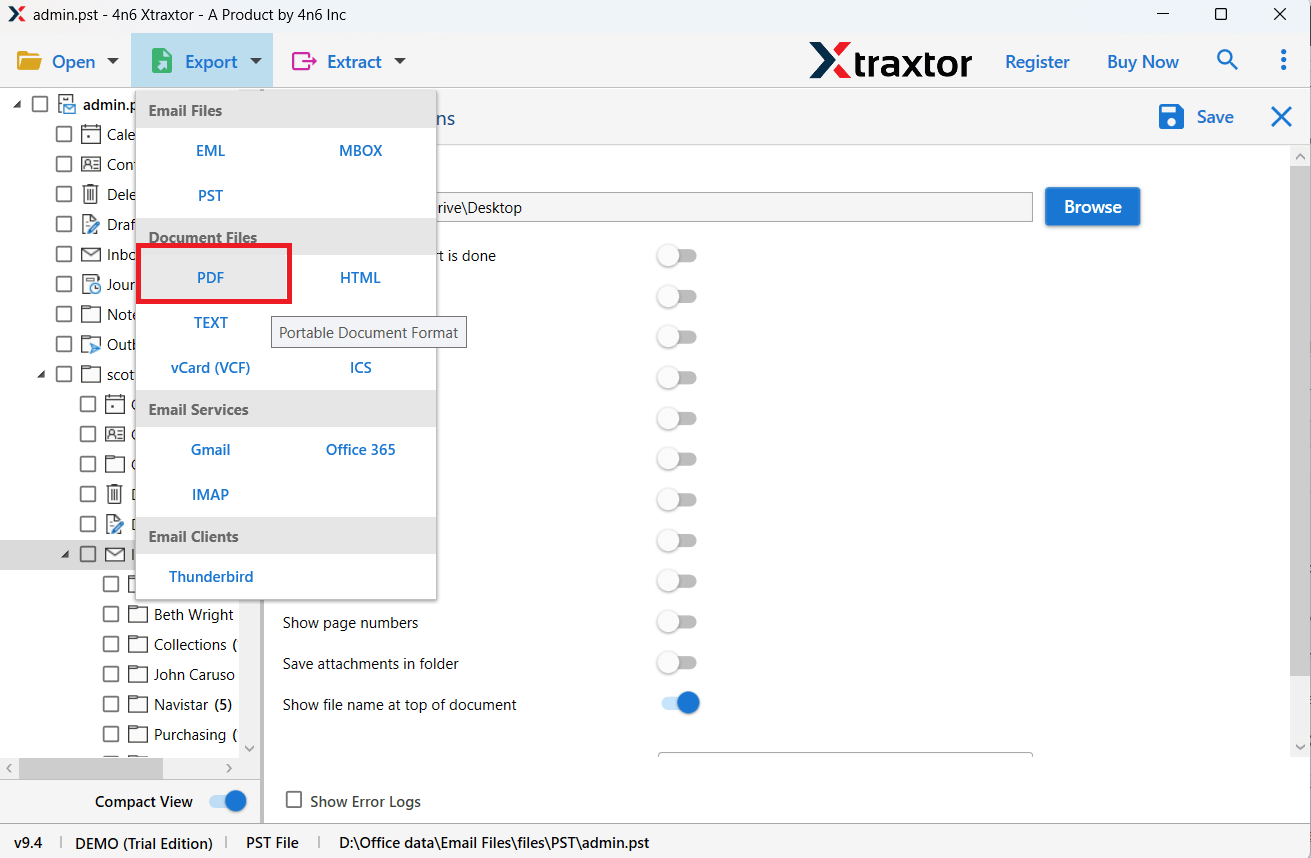
Step 4. Click on Export and choose PDF.
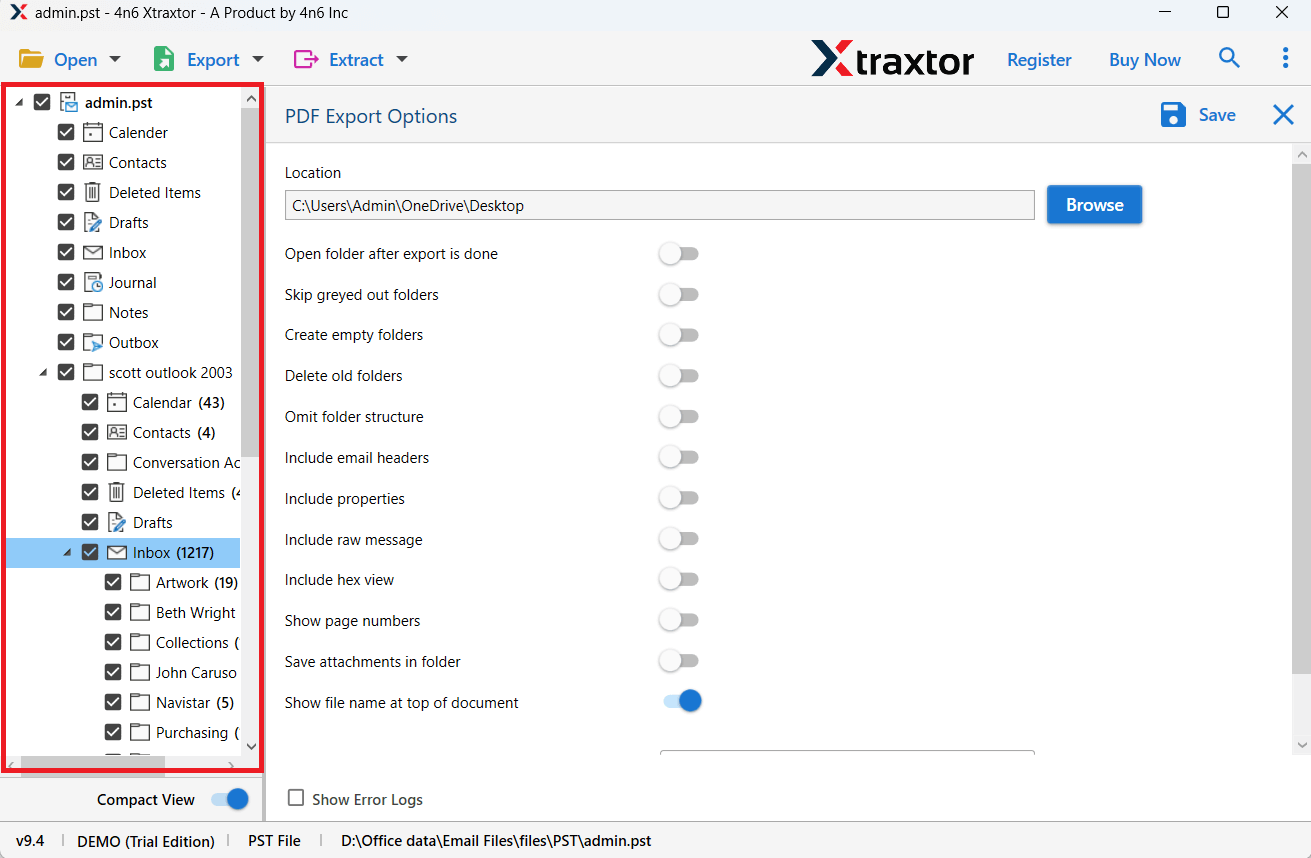
Step 5. Select the required email folders.
Step 6. Browse the target location and click on Save to start.
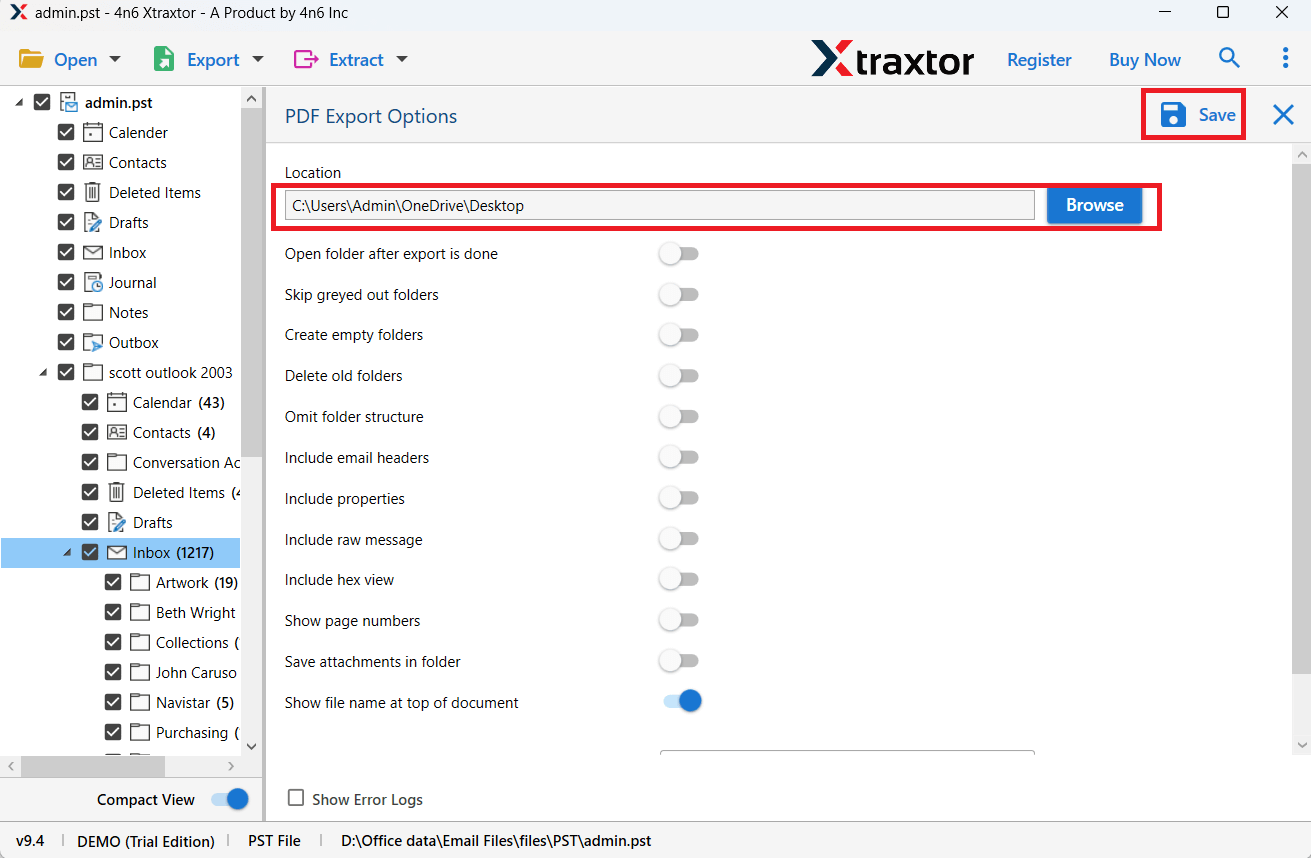
Done! That’s how you can easily convert PST file to PDF in a few seconds without facing any issues.
Highlighted Features of PST to PDF Converter
- The software can export PST emails into PDF document with accuracy.
- With its advanced filter options, you can convert selected emails also.
- The tool retains the folder and sub-folder hierarchy throughout the process.
- Using this tool, you can convert PST to PDF with attachments.
- There are no limitations on the size and number of PST files.
- The software preserves data integrity during PST emails to PDF conversion.
- It can directly import PST to Office 365 and many cloud-based email accounts.
- PST to PDF Converter has a simple interface that makes it easy to use.
- It is compatible with all Windows OS versions, including Windows 11.
- A free demo version of the software is also available.
Conclusion
In this technical blog post, we discussed the top 3 methods to convert PST to PDF file. You can go through each method one by one and then decide which one to choose. In our suggestion, if you have a few emails, then you may proceed with the manual approach. However, if you have multiple PST files that you want to convert into PDF format, then using an automated tool is recommended.