Looking for a reliable way to transfer Gmail to Office 365 but not sure which method to follow? Don’t worry! This complete guide will help you understand how to migrate emails from Gmail to Microsoft 365 with emails, attachments, and other important data safely.
Whether you want to move email from Gmail to Office 365 for a single account or perform a bulk migration for your organization, this guide covers simple and effective solutions. Migrating to Microsoft 365 is a smart choice as it offers advanced security, better collaboration tools, and a powerful admin center to manage your business communication efficiently.
Why Businesses Transfer Gmail to Office 365?
Here are real, practical reasons (based on current trends):
- Better data security & compliance policies
- Full control via Microsoft 365 Admin Center
- Integration with Outlook, Teams, OneDrive
- Advanced email threat protection (ATP, anti-phishing)
- Easy user management for organizations
- Works both online and offline (desktop apps)
According to industry trends, Microsoft 365 adoption continues to grow among enterprises due to hybrid work needs.
Best Ways to Migrate Emails from Gmail to Office 365
There are two main approaches:
1. Manual Migration (Free but Complex)
2. Automated Migration (Recommended for Accuracy & Speed)
Method 1. How to Move Email from Gmail to Office 365 Manually?
In this method, you need to configure Gmail with Outlook and export Gmail to PST format. After that, configure Office 365 with Outlook and import the exported PST file into the Office 365 admin account. Hence, the manual method is complex and time-consuming.
Follow the given steps to transfer Gmail emails to Office 365 manually.
Step 1. First of all, configure your Gmail account with Outlook email client.
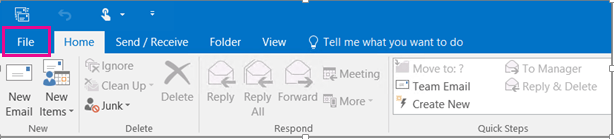
Step 2. Now, Open Outlook on your local system and go to the File menu.
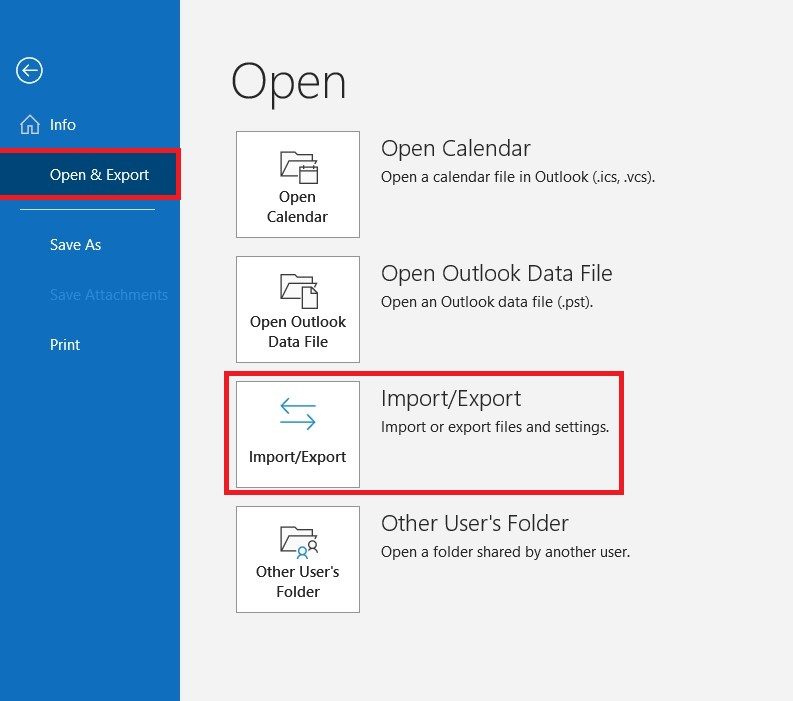
Step 3. Click on Open & Export >> Import/Export option.
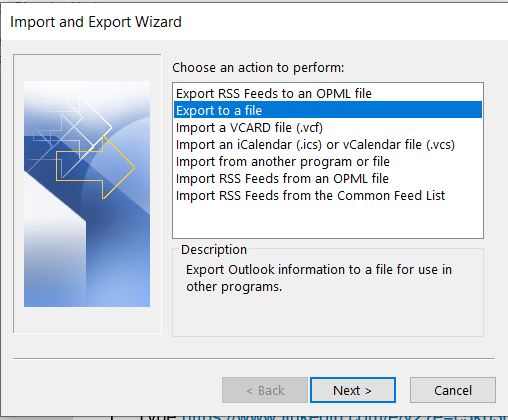
Step 4. Choose Export to a file from Import and Export Wizard and click on Next.
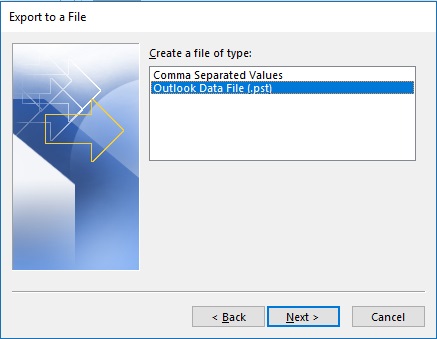
Step 5. After that, select the Outlook Data File (.pst) and hit on Next button.
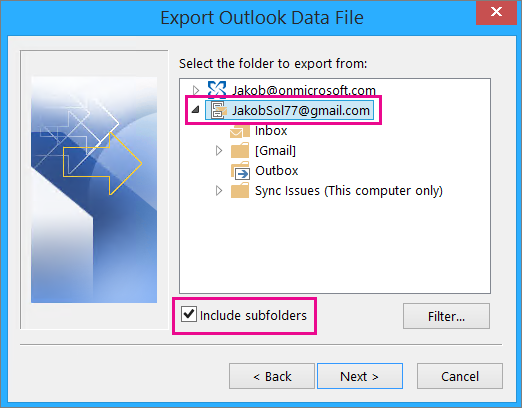
Step 6. Choose the root of the Gmail account and click on Next.
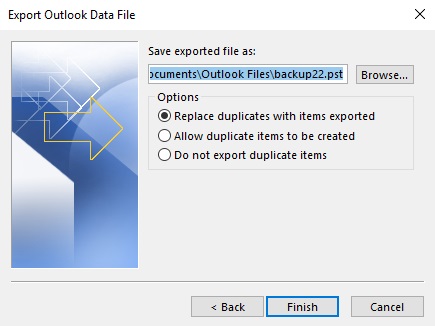
Step 7. Browse the Location to save the output file and click Finish button.
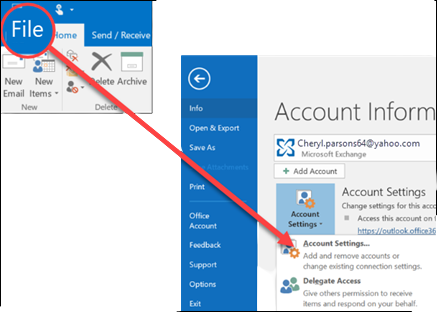
Step 8. Again go to the Outlook File menu and select Account Settings to remove the Gmail account.
Step 9. Select the Gmail account and click on the Remove button.
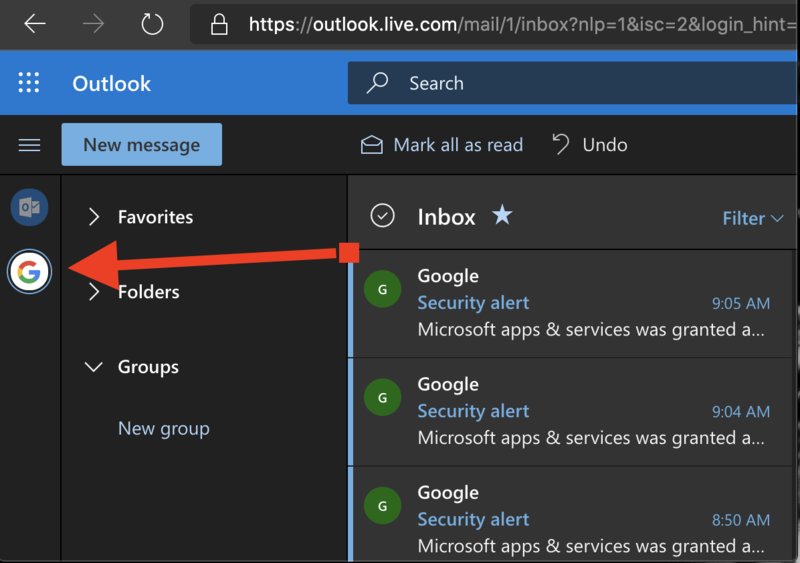
Step 10. After that, configure your Office 365 account with Outlook.
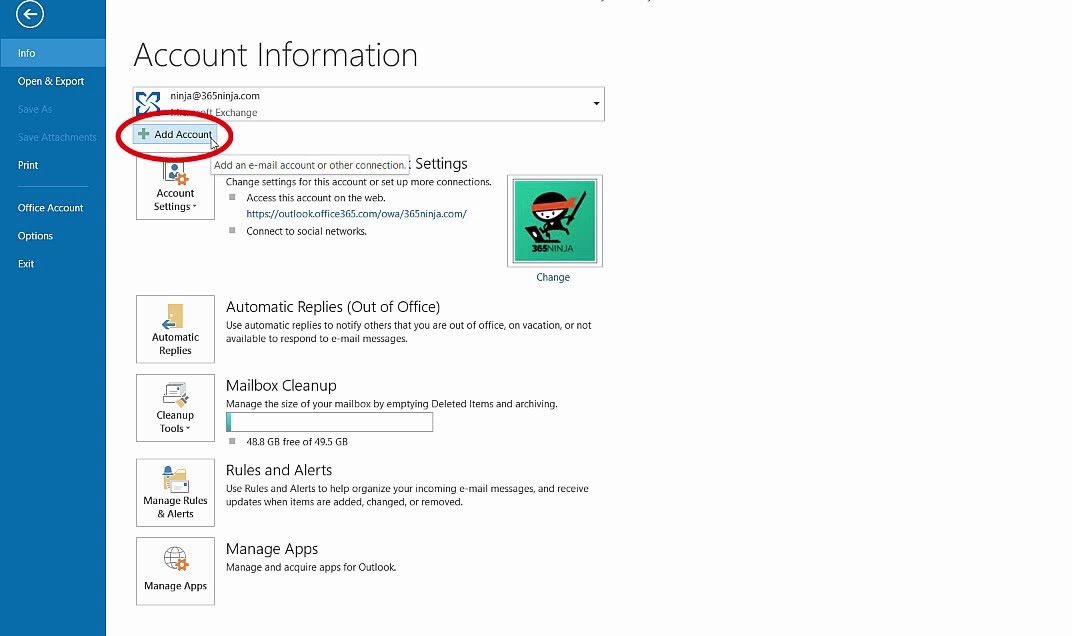
Step 11. Open the File menu and click on Add Account.
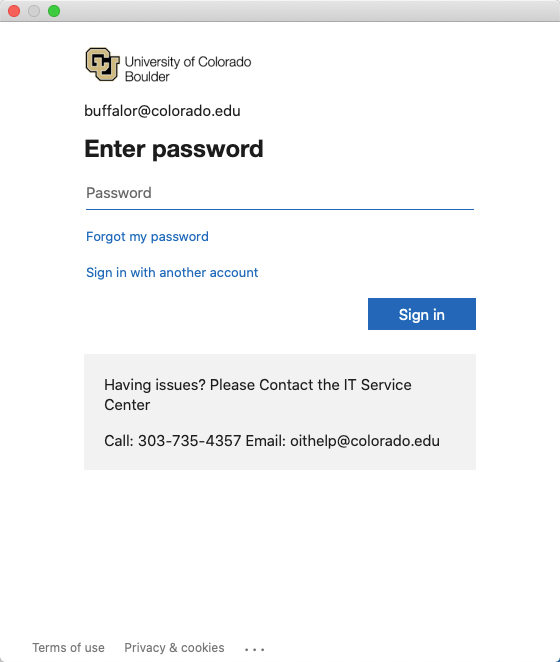
Step 12. When you enter your email id then, a CU-branded window should open, enter your password, and click “Sign in” to configure Office 365.
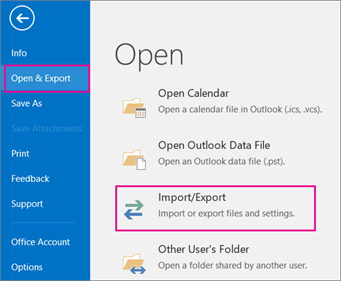
Step 13. At the top of the Outlook ribbon, click on File >> Open & Export >> Import/Export.
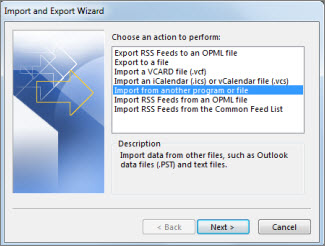
Step 14. Now, choose Import from another program or file from the Import/Export Wizard.
Step 15. Choose Outlook Data File and hit the Next button.
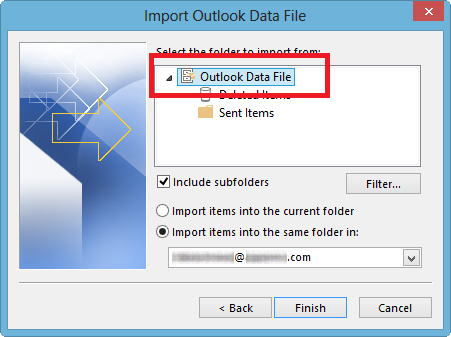
Step 16. Click on Browse and select the just-created file and hit on Next button.
Step 17. Select the Import items into the same folders in and choose Office 365 Account, and then click on Finish button.
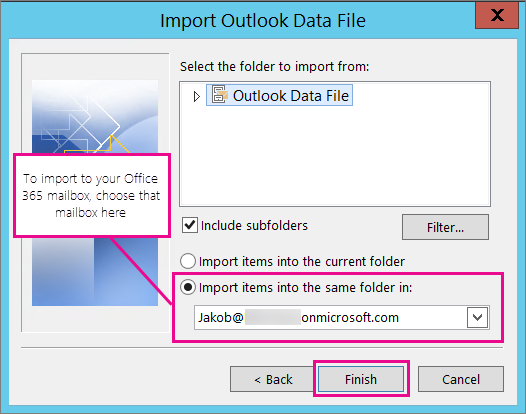
Now, your Gmail emails have been transferred to Office 365 successfully.
Drawbacks of the Manual Approach
You manually migrate Gmail to Office 365, but there are some limitations of this method, which are given below.
- The method contains many steps. So, it is a time-consuming process.
- There are some complicated steps. To transfer data manually, you need exact technical knowledge otherwise, your data may be lost.
- In this method, if you miss any step, it will cause the failure of the migration process.
- You can not move calendar items and contacts using this method.
Method 2. How to Migrate Emails from Gmail to Office 365 Admin Center Automatically?
Use Xtraxtor software to directly move Gmail to Office 365 in a few simple clicks. The software is able to transfer all mailbox data from Gmail to Office 365 at once without any hassle. Using this tool, there is no need to worry about data loss. It provides accurate results without losing a single bit of data. There are various advanced filter options to transfer any selected data from Gmail to Office 365.
In addition, the interface of this tool is very simple and easy to use. Any novice user can migrate Gmail to Office 365 admin center without any external guidance. The best thing about this utility is that it is a standalone utility. You do not need to install any external applications to perform the process.
You can download the free demo version of this tool to check how it works so easily and accurately.

Steps to Transfer Gmail to Office 365 Admin Account
Step 1. Launch the software on your Windows PC.
Step 2. Now, Click on Open >> Email Accounts >> Add Accounts.
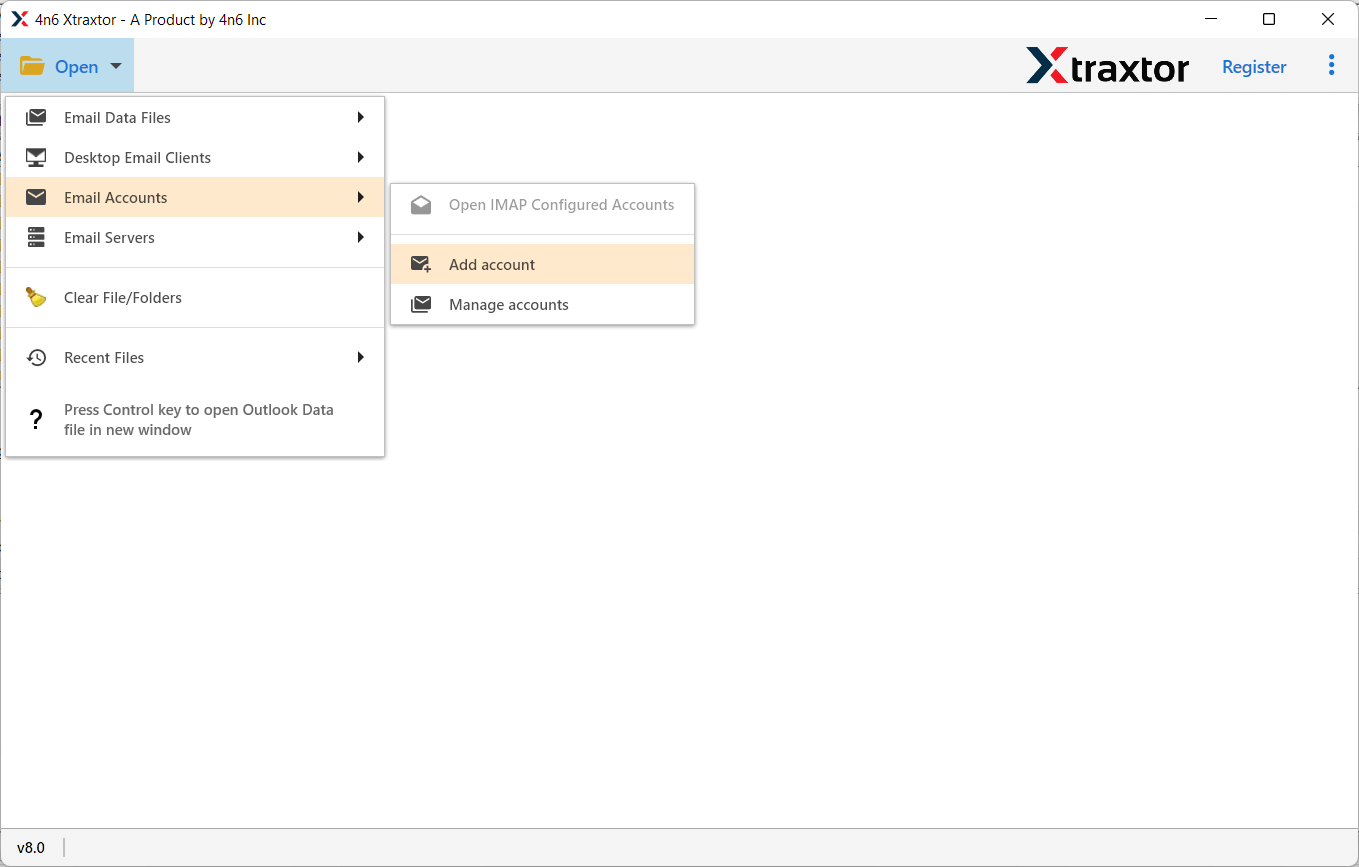
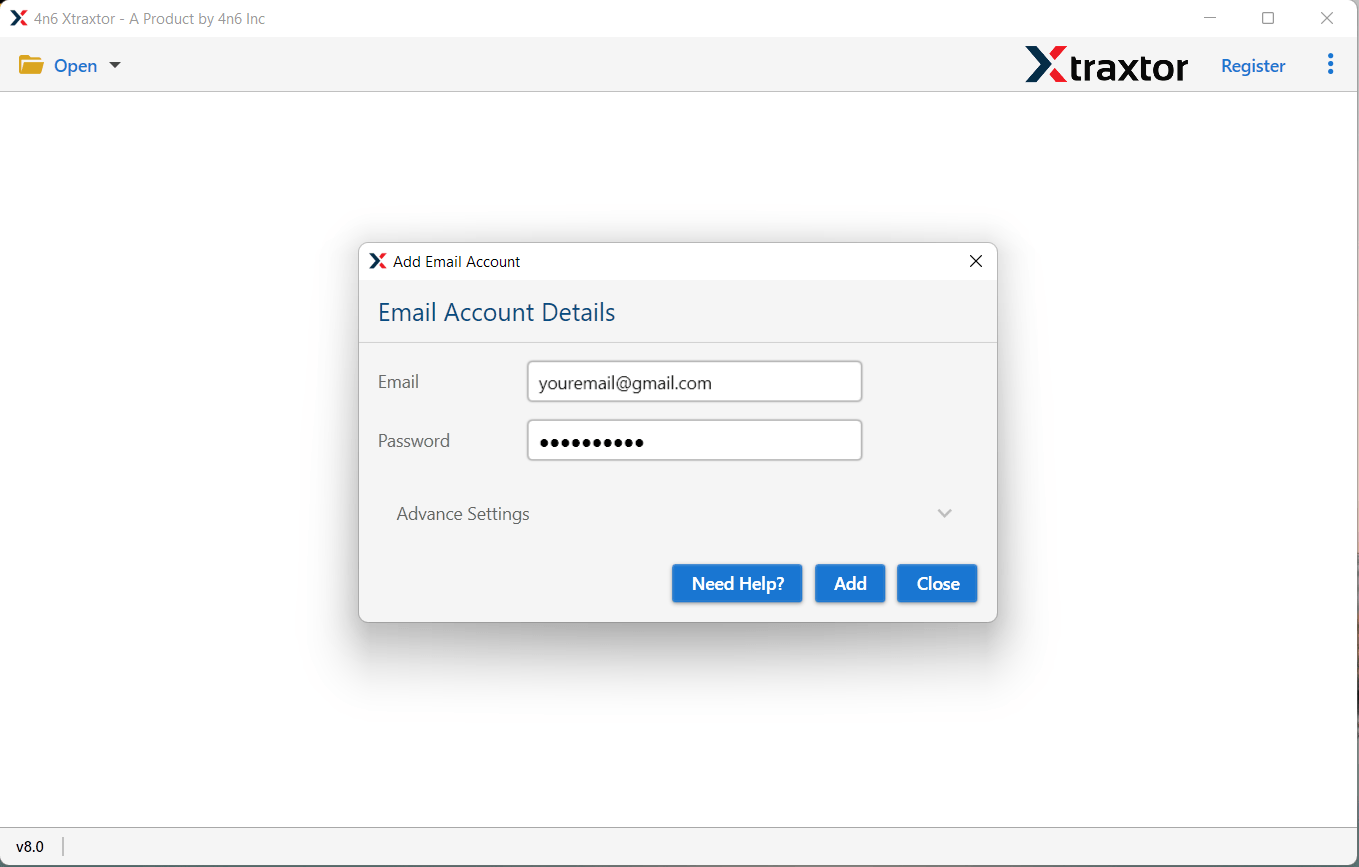
Step 3. Enter your Gmail credentials and press the Add button.
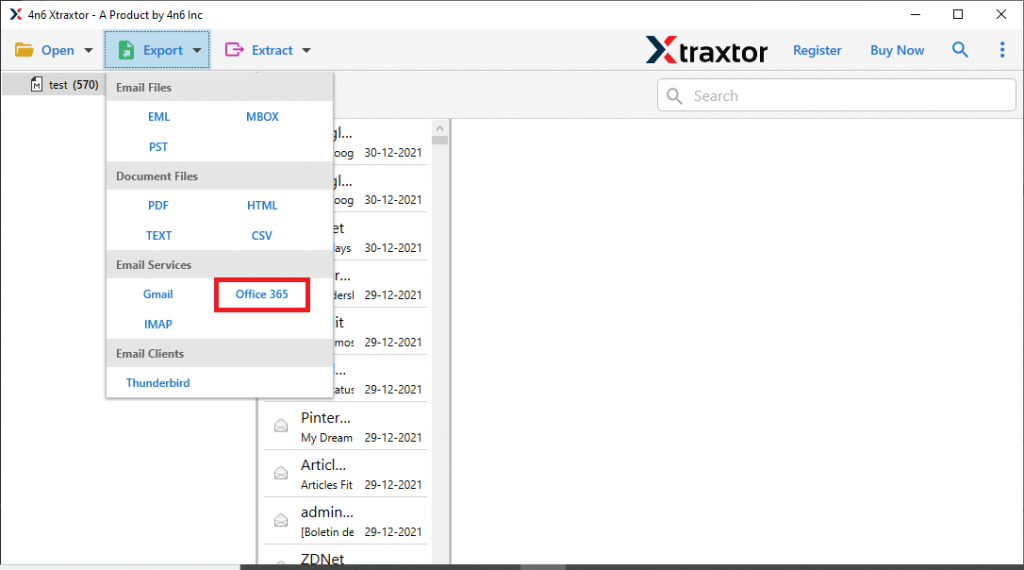
Step 4. After that, click on Export and select Office 365.
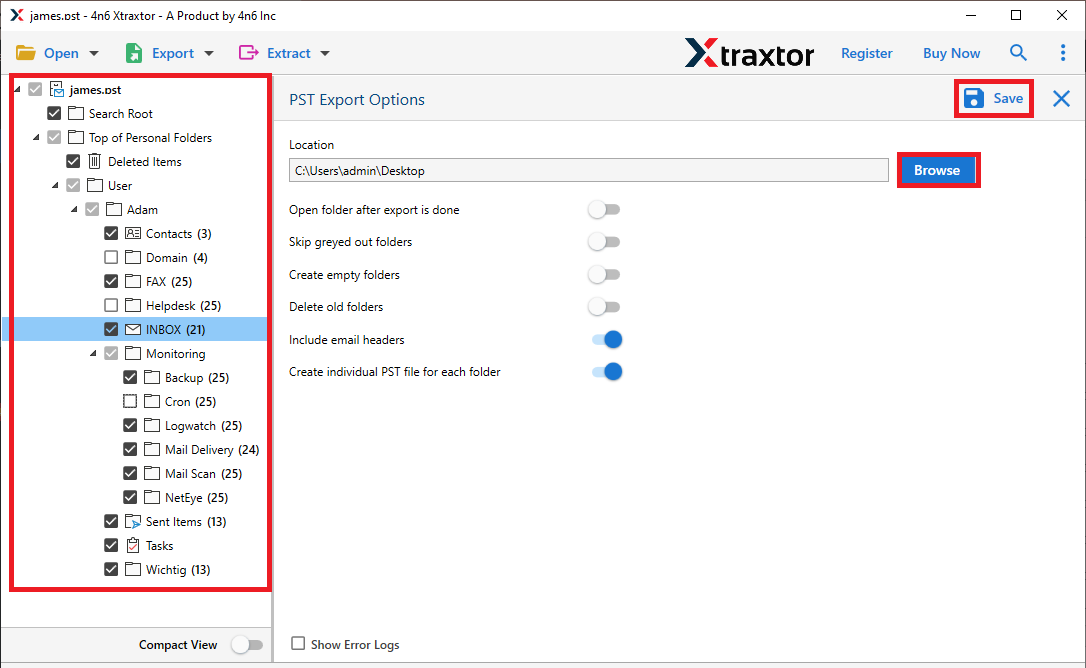
Step 5. If you do not want to transfer entire mailbox data then you can select the folders that you want to migrate.
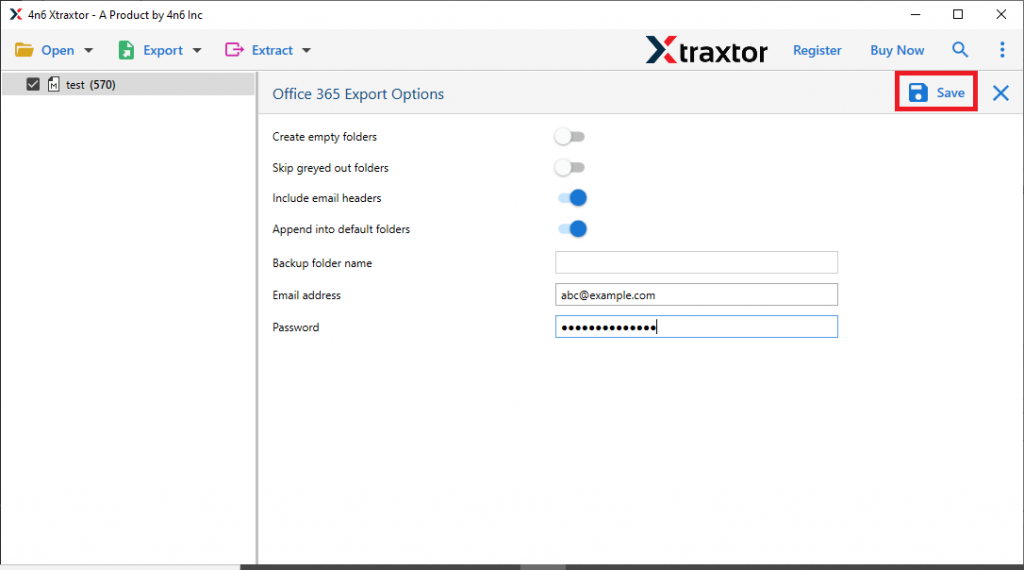
Step 6. At last, enter Office 365 login details and press Save button.
The process is done! Hence, you can easily transfer all data from Gmail to Office 365 admin center in a simple manner.
Key Features of Gmail to Office 365 Migration Tool
- Transfer Gmail to Office 365 admin center in batch.
- Export Gmail emails to EML, MBOX, TXT, PST, HTML etc. file formats.
- Preserves 100% data integrity and gives accurate results.
- A preview option to view Gmail mailbox data before the migration process.
- Multiple advanced filter options, such as to, from, cc, bcc, date, time, etc.
- Maintains metadata properties of mailbox data during the process.
- Retains the original hierarchy of folders after the migration process.
- Directly transfer Gmail to Thunderbird, Office 365, AOL Mail, and other Webmail accounts.
- Supports all the latest and old versions of Windows Operating Systems.
Conclusion
In this blog, we have discussed both manual and professional methods to transfer Gmail to Office 365. Select anyone as per your need. Using a manual method, you can move your Gmail emails, but it takes some time. Although experts recommended the alternative solution for the quick and safe migration of data.